
At a Glance
Start with a headline ranking like the fastest animals, the largest animals or the deadliest animals, then narrow down with lists for a single group, such as the fastest birds or the largest snakes. There are also theme lists for colors, patterns, diets and behaviors like hibernation and migration. Every list has a ranked table, a chart, a quiz and an FAQ.
- Lists published
- More than 100
- Biggest themes
- Size records, colors and patterns, danger and venom
- Fastest animal
- Peregrine falcon in a dive
- Largest animal
- Blue whale
- Each list includes
- Ranked table, bar chart, entries with pictures, quiz, FAQ
- How values are chosen
- Typical adult figures, explained on every list
On this page
How Are Our Animal Rankings Made?
Every ranked list starts with a clear question and a single way to measure it. For speed we use the top speed an animal can reach, for size we pick one measure such as weight or length and stick with it, and for lifespan we look at the oldest ages reliably confirmed rather than legends. The method is written out on each page, so you can see why one animal beats another.
Wherever possible the numbers come from scientific databases and field studies, and where only rough figures exist we label them as typical values. Animal records are often estimates, especially for wild speeds and deep-sea creatures, so we round sensibly and note when experts disagree.
Each list also explains the runners-up and the near misses. Some animals miss a list on a technicality, and those stories are often as interesting as the winners.

Animal Lists and Rankings in Numbers
| Animals on this page | 24 |
|---|
Sources: Wikidata
Which Animals Hold the Big Records?
A handful of animals turn up again and again. The blue whale is the largest animal known to have lived, heavier than any dinosaur. The giraffe is the tallest, and the peregrine falcon is the fastest, reaching well over 300 km/h in a hunting dive. On the ground, the cheetah leads with sprints of about 100 to 110 km/h (60 to 70 mph).
At the other end of the scale, the bee hummingbird is the smallest bird and the Etruscan shrew is among the lightest mammals. For lifespan, the Greenland shark is thought to live for several centuries, longer than any other animal with a backbone.
Our headline rankings, the fastest animals, the largest animals and the longest-living animals, are the best place to start.
| Record | Record holder | Typical figure |
|---|---|---|
| Fastest animal | Peregrine falcon | Well over 300 km/h in a dive |
| Fastest land animal | Cheetah | About 100 to 110 km/h (60 to 70 mph) |
| Largest animal | Blue whale | About 25 to 30 m long |
| Tallest animal | Giraffe | About 5 to 5.5 m tall |
| Smallest bird | Bee hummingbird | About 5 to 6 cm long |
| Longest-lived vertebrate | Greenland shark | Several centuries |
| Deadliest to people | Mosquito | Spreads diseases affecting millions |
| Most poisonous | Golden poison frog | Enough toxin to harm several people |
| Source: Typical values, our editors · Retrieved October 2026 | ||


Which Lists Cover Dangerous Animals?
Danger is one of the most searched animal topics, and it is also one of the most misunderstood. Our deadliest animals list ranks species by the harm they actually cause people each year, and the surprising winner is the mosquito, because of the diseases it spreads. Sharks and big cats, despite their reputation, rank far lower.
Venom and poison get separate lists. A venomous animal injects its toxin with a bite or sting, while a poisonous animal is harmful to touch or eat. The inland taipan leads our most venomous snakes list, and the tiny golden poison frog tops the most poisonous animals.
Group lists, such as the deadliest spiders and deadliest sharks, add safety advice so readers learn what really matters.


Can I Find Animals by Color, Diet or Behavior?
Yes. Many readers are not looking for a record at all but for a set of animals that share something. Our color lists collect animals that are blue, red, pink or black and white, and explain what each color does, from warning off predators to attracting a mate.
Diet lists sort the kingdom into herbivores, carnivores and omnivores. Behavior lists gather animals that hibernate, animals that migrate, animals that use tools and animals that glow.
These theme lists are popular with teachers, artists and quiz writers, because they cross the usual lines between mammals, birds, fish and insects.
What Are the Most Fun Lists to Read?
Some lists are pure entertainment. The weirdest animals include the aye-aye, a lemur with one long, thin finger for fishing grubs out of wood, and the hairless naked mole-rat. The ugliest animals list makes the case for the blobfish, which only looks droopy once it is pulled up from the deep.
On the friendlier side, the cutest animals and smartest animals lists feature creatures like the red panda, the sea otter and the chimpanzee. Even these playful rankings come with real biology about why each animal looks or behaves the way it does.


Where Can I Go After the Lists?
If a list sparks a question about two rivals, our animal comparisons put them side by side, such as lion against tiger. For record-style data in one place, the animal running speed guide and the animal lifespan chart collect figures for dozens of species.
You can also browse every animal alphabetically in our A to Z index, or see what lives nearby in the animals by state section.
Popular Animal Lists (24)
Good places to start: headline rankings and theme lists. Open any list for a ranked table, a chart and a short profile of every animal on it.
 Fastest Animals in the WorldTop speeds on land, in the air and in water
 Largest Animals in the WorldThe heaviest and longest animals alive
 Deadliest Animals in the WorldAnimals that cause the most harm to people
 Longest-Living AnimalsAnimals that live for a century or more
 Smallest Animals in the WorldTiny record holders from shrews to frogs
 Most Venomous AnimalsThe strongest venoms in nature
 Most Poisonous AnimalsAnimals that are toxic to touch or eat
 Tallest Animals in the WorldGiraffes, elephants and other tall animals
 Strongest Animals in the WorldRaw power and strength for body size
 Smartest Animals in the WorldProblem solvers, tool users and talkers
 Slowest Animals in the WorldSloths, snails and other slow movers
 Loudest Animals in the WorldThe noisiest calls on land and at sea
 Weirdest Animals in the WorldStrange bodies and odd habits
 Cutest Animals in the WorldAnimals people love to look at
 Rarest Animals in the WorldSpecies with the smallest wild numbers
 Endangered AnimalsAnimals at risk and what threatens them
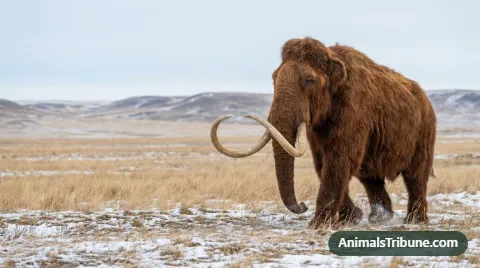 Extinct AnimalsAnimals lost forever and why
 Largest SnakesGiant pythons, anacondas and boas
 Largest SpidersThe biggest spiders by leg span and weight
 Fastest BirdsSpeed records in level flight and dives
 Nocturnal AnimalsAnimals that come alive at night
 Animals That HibernateHow animals sleep through winter
 Blue AnimalsRare blue colors and how animals make them
 List Of Animals A-Z (All Animals)One long list of animals from A to Z
Animal Lists by US State
Key Facts
- We publish more than 100 animal lists and rankings.
- The biggest themes are size records, colors and patterns, and danger and venom.
- The peregrine falcon is the fastest animal, and the cheetah is the fastest on land.
- The blue whale is the largest animal known to have ever lived.
- The mosquito tops the deadliest animals list because of the diseases it spreads.
- Every ranked list explains exactly how its record is measured.
Quick Quiz: How Well Do You Know the Animal Lists?
5 questions. Tap an answer to check it.
Which animal is the fastest in the world?
In a hunting dive the peregrine falcon reaches well over 300 km/h.
Which animal causes the most human deaths each year?
Mosquitoes spread deadly diseases such as malaria.
What makes an animal venomous rather than poisonous?
Venom is delivered actively; poison works when the animal is touched or eaten.
Which is the tallest living animal?
Adult giraffes typically stand about 5 meters or more.
Which fish is thought to live for several centuries?
Greenland sharks grow very slowly in cold water and may live for hundreds of years.
Frequently Asked Questions
What is the fastest animal in the world?
The peregrine falcon is the fastest, reaching well over 300 km/h when it dives on prey. In level running, the cheetah is the fastest land animal at about 100 to 110 km/h (60 to 70 mph) in short bursts.
What is the largest animal ever?
The blue whale. Adults can be around 25 to 30 meters long and weigh more than any dinosaur we know of. The largest land animal today is the African elephant.
Which animal kills the most people?
The mosquito, by a huge margin. It does not attack in the usual sense, but it carries malaria, dengue and other diseases that cause enormous numbers of illnesses and deaths every year.
What is the difference between venomous and poisonous?
Venomous animals inject toxin through a bite, sting or spine, like snakes and scorpions. Poisonous animals are harmful when touched or eaten, like poison frogs. Some animals, such as certain fish, are both.
How do you decide the order of a list?
Each list uses one clear measure, such as top speed, adult weight or confirmed maximum age, and ranks animals by that number. When figures are rough estimates, we say so and explain the uncertainty.
Can I use these lists for school projects?
Yes. The lists are written in plain language, each one explains its method, and every animal links to a full profile with size, diet and habitat. Our worksheet topics pair well with them.


